
 24/7Emergency Service
Why Does the HVAC Installer Matter?
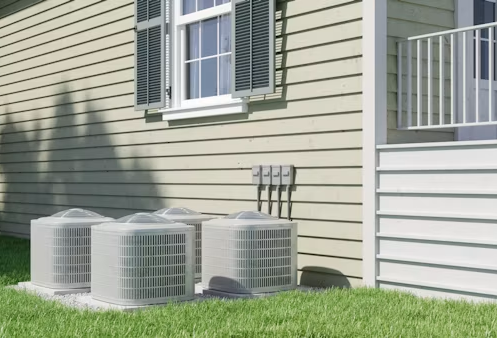
What good is a high-quality heating and cooling system if it is installed incorrectly? Even reliable equipment can struggle when the installation does not match the home’s needs.
When researching HVAC installation in Nashville, TN, homeowners should look beyond equipment brands and advertised prices. A professional installer should understand the property’s heating and cooling requirements, recommend an appropriately sized system, explain the work clearly, and test everything before leaving.
The U.S. Department of Energy emphasizes proper equipment sizing and installation as important factors in HVAC performance and energy efficiency. Choosing the right equipment is only part of the job; installing it correctly matters just as much.
1. Does the Installer Evaluate Your Home First?
A professional should not recommend a system simply because it is the model they install most often.
Before providing a final recommendation, the installer should consider:
- Home size and layout
- Insulation levels
- Windows and doors
- Existing ductwork
- Airflow requirements
- Local climate
- Existing equipment
- Household comfort concerns
The objective is to determine what the property actually needs.
An oversized system may cycle on and off more frequently than intended, while an undersized system can struggle during periods of extreme outdoor temperatures.
Why Is HVAC Sizing Important?
HVAC sizing determines how effectively a system can heat or cool a space. A professional should use appropriate load calculations rather than relying solely on square footage or guessing based on the existing unit.
That extra step can make a significant difference in comfort and system performance.
2. Ask About the Installation Process
A good HVAC estimate should tell you more than the equipment model and total price.
Ask what the installation actually includes.
Will the team inspect existing ductwork? Will electrical connections be evaluated? Does the project include removing the old equipment? Will the thermostat be replaced or reconfigured?
An HVAC installation is a complete system project, not simply putting a new unit where the old one stood.
What Should a Professional HVAC Installation Include?
Depending on the project, installation may involve equipment placement, electrical connections, refrigerant lines, ductwork adjustments, drainage, thermostat setup, system testing, and removal of existing equipment.
The exact scope should be explained before work begins.
3. Verify Licensing, Insurance, and Experience
Your HVAC system is a significant home investment, so it is reasonable to ask who will be performing the work.
Before hiring an installer, check applicable licensing and insurance. Ask how long the company has been installing HVAC systems and whether its technicians receive ongoing training.
Relevant experience is especially useful when a project involves older equipment, unusual layouts, ductwork problems, or a substantially different replacement system.
4. Compare the Whole Quote, Not Just the Price
Two HVAC estimates can look very different while both initially seem reasonable.
One contractor may include permits, equipment removal, startup testing, and warranty support, while another may charge separately for some of these items.
| What to Compare | Why It Matters |
|---|---|
| Equipment | Determines system capabilities and features |
| Sizing assessment | Helps match capacity to the home |
| Installation labor | Covers the actual installation work |
| Ductwork modifications | May improve proper airflow |
| Electrical work | Addresses required connections |
| Permits | May be required for the project |
| Equipment warranty | Covers eligible manufacturer issues |
| Labor warranty | Defines installation-related coverage |
| Removal | Clarifies whether old equipment disposal is included |
| Testing | Confirms the system operates correctly |
A higher quote is not automatically better, and a lower one is not necessarily a bargain.
The better comparison is what you receive for the total price.
5. Ask How the Installer Handles Ductwork
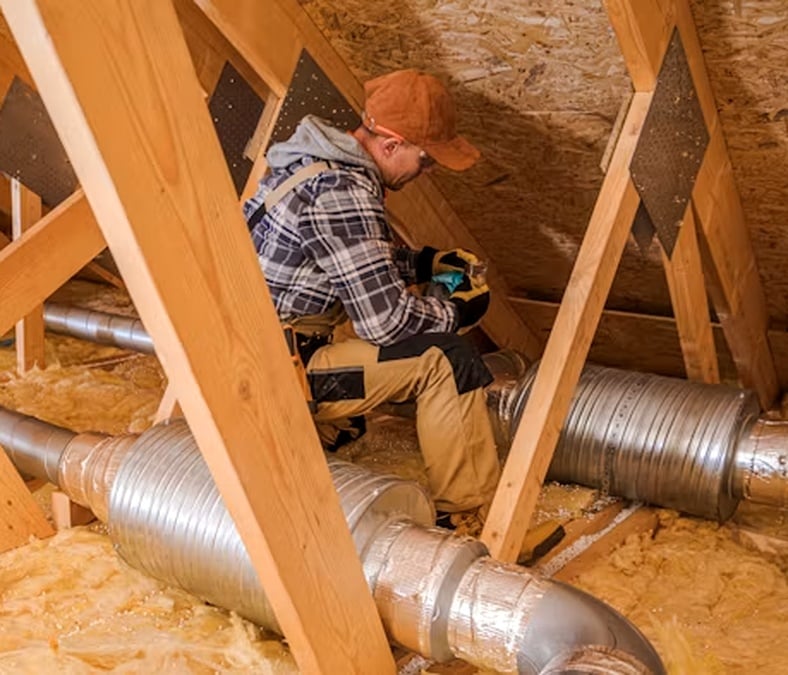
Replacing HVAC equipment while ignoring problematic ductwork can limit the benefits of a new system.
Ask whether the installer will inspect ducts for obvious leaks, restrictions, damage, or airflow problems.
This does not mean every installation requires extensive duct replacement. It means the contractor should identify conditions that could affect performance rather than treating the equipment as an isolated component.
If certain rooms have always been too hot or too cold, mention this before installation. Those complaints may provide useful clues about airflow or distribution.
What Should I Consider When Choosing an HVAC Installer?
Consider qualifications, home evaluation, system sizing, installation scope, equipment options, warranties, ductwork, communication, and final testing.
A practical selection process is:
- Research several qualified installers.
- Ask how they evaluate your home’s heating and cooling needs.
- Request detailed written estimates.
- Compare equipment and installation inclusions.
- Verify applicable licensing and insurance.
- Ask about warranties and post-installation support.
- Choose based on overall value rather than price alone.
This makes it easier to distinguish professional installation from a quote that simply looks attractive on paper.
A Local HVAC Installation Option
Once you understand what makes an installation worthwhile, you can evaluate individual providers using the same checklist.
A/C Plus Heating and Cooling provides heating and cooling services for homeowners seeking professional HVAC support. Its heating and cooling services in Nashville provide more information about its local offerings.
The key is to view installation as a long-term home investment. Equipment matters, but so do sizing, workmanship, testing, communication, and ongoing support.
Key Takeaways
- A professional HVAC installer should evaluate your home, determine the right system size, explain equipment options, and follow proper installation practices.
- The lowest quote is not always the best value. Compare equipment, labor, warranties, permits, testing, and what the estimate actually includes.
- Asking the right questions before installation can help prevent comfort problems, poor performance, and unexpected costs later.
Frequently Asked Questions:
How do I know if an HVAC installer is qualified?
Check applicable licensing, insurance, experience, customer feedback, and whether the contractor clearly explains the proposed installation.
Should an HVAC installer inspect existing ductwork?
Yes. The installer should determine whether existing ductwork could affect the new system's performance, especially if you have airflow or room-temperature problems.
Is the cheapest HVAC quote the best?
Not necessarily. Compare equipment, labor, permits, warranties, removal, testing, and other inclusions before deciding.
How long does HVAC installation take?
The timeframe depends on the equipment, property, accessibility, ductwork, electrical requirements, and any additional repairs. Your installer should provide an estimated schedule.
What should happen after installation?
The installer should test the system, verify proper operation, explain basic controls, and provide information about warranties and recommended maintenance.
