
 24/7Emergency Service
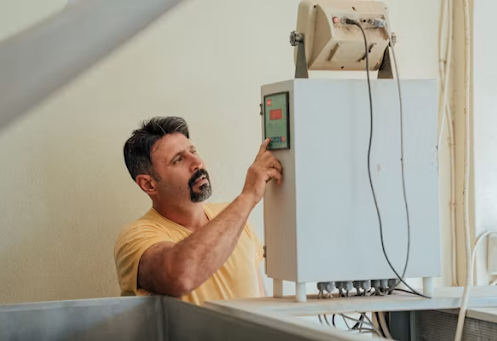
Is Your Water Heater Trying to Tell You Something?
Have you noticed that your shower is not staying hot, your water heater sounds unusually loud, or there is a mysterious puddle near the tank? These may seem like minor inconveniences, but they can be early warnings of a larger problem.
When you need water heater repair in Franklin, recognising these signs early can make a significant difference. A water heater works quietly in the background until something goes wrong, so changes in temperature, sound, appearance, or performance deserve attention.
Knowing what to watch for can help you decide when a simple check is enough and when it is time to call a professional.
1. Why Is Your Hot Water Running Out Faster?
A noticeable reduction in hot-water availability is one of the easiest problems to spot.
If your household used to have enough hot water for showers, laundry, and dishes but now runs out quickly, the system may not be heating water properly. Possible causes can include a failing heating element, thermostat problems, sediment buildup, or other component issues.
For tankless systems, reduced performance can have different causes, including scale accumulation or equipment-related problems.
The important clue is a change from normal performance. If the system previously met your household’s needs and suddenly does not, it is worth investigating.
2. What Do Strange Water Heater Noises Mean?
A water heater should not regularly sound like something is being shaken around inside it.
Popping, rumbling, banging, or crackling sounds can indicate sediment accumulation in a tank-style water heater. Sediment can settle at the bottom of the tank and interfere with normal heating.
According to the U.S. Department of Energy, sediment buildup can contribute to water heater noise and may reduce efficiency. (energy.gov)
If the noise is becoming louder or occurs every time the system heats water, professional inspection can help determine the cause.
3. Why Is Your Hot Water Discolored?
Clear hot water should generally remain clear. If hot water develops a rusty, brown, or unusual appearance, the water heater deserves closer attention.
Discoloration can be associated with corrosion inside the tank or deterioration of components. If the issue appears only with hot water rather than cold water, that distinction can provide a useful clue during diagnosis.
Do not assume that discoloration is simply an issue with your home’s general water supply. Identifying where the problem begins is an important first step.
4. Is the Water Temperature Inconsistent?
Does your shower start hot, turn cold, and then become warm again?
Inconsistent water temperature can point to problems with heating components, thermostats, sediment, controls, or other parts of the system.
It can also be particularly frustrating because the system may appear to be working normally at first.
If temperature fluctuations happen repeatedly, make a note of when they occur and whether other fixtures experience the same issue. This information can help a technician narrow down the problem.
When Should You Call a Professional?
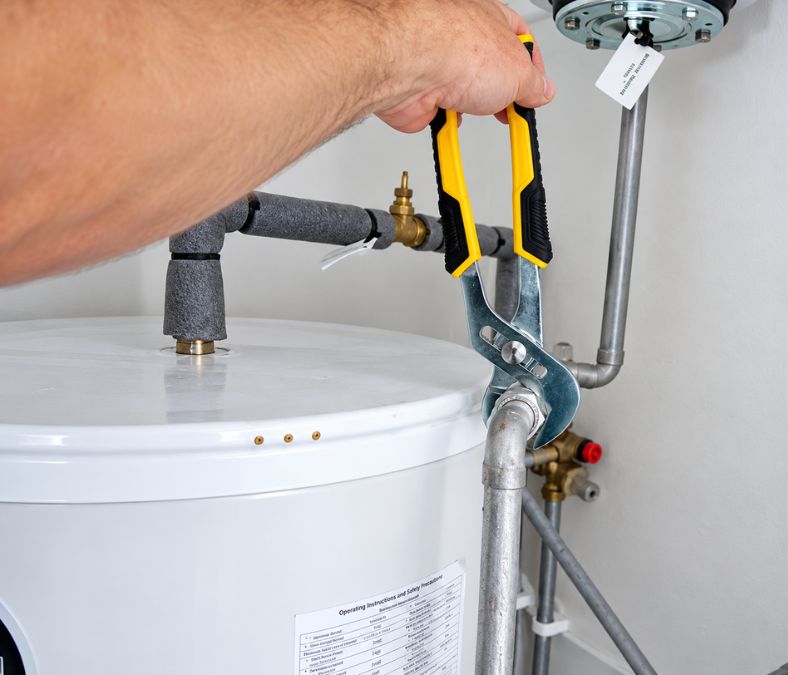
Not every water heater issue requires an emergency service call, but some warning signs should move quickly up your priority list.
Contact a qualified professional when you notice:
- A persistent or worsening leak
- No hot water
- Repeated temperature fluctuations
- Loud or unusual operating noises
- Rust or visible corrosion
- Repeated system shutdowns
- Water damage around the equipment
- A problem that returns after a temporary fix
Avoid opening electrical panels, dismantling gas components, or attempting repairs involving pressure or heating components unless you are appropriately qualified.
Can Maintenance Prevent Water Heater Problems?
Regular maintenance cannot prevent every failure, but it can help identify developing problems and keep the system operating properly.
Homeowners can take a few practical steps:
Check for leaks: Look around fittings and the base of the unit regularly.
Monitor performance: Notice changes in hot-water availability, temperature, or recovery time.
Follow manufacturer guidance: Maintenance requirements differ between tank, tankless, gas, and electric systems.
Keep service records: Recording repairs and maintenance can reveal recurring problems.
Schedule professional inspections: A technician can identify issues that are not obvious during everyday use.
Choosing the Right Repair Approach
A water heater problem does not automatically mean the entire unit needs replacement.
A repair may be appropriate when a specific component has failed and the rest of the system remains in good condition. Replacement may make more sense when the tank is deteriorating, leaks internally, requires frequent repairs, or no longer meets household needs.
The best decision depends on the equipment’s condition, repair history, operating performance, and expected future costs.
Getting an accurate diagnosis before making that decision can prevent homeowners from spending money unnecessarily.
A Local Option for Water Heater Service
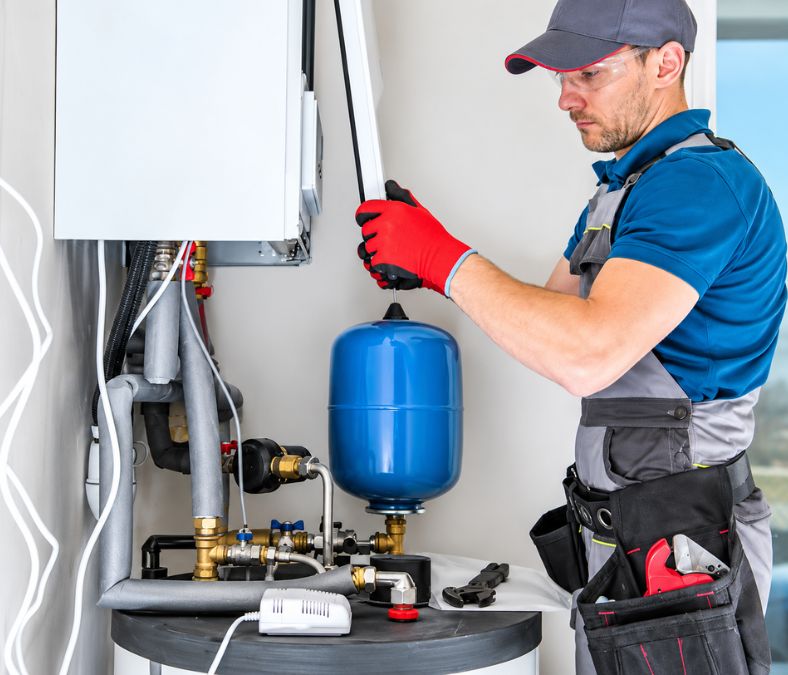
When homeowners in Franklin need help with water heating problems, choosing an experienced HVAC and plumbing service can simplify the process.
A/C Plus Heating and Cooling provides water heater services that include repair, maintenance, installation, and replacement. The company works with different water heater systems, including traditional tank and tankless models.
Homeowners can explore its water heater services to learn more about available solutions and determine which type of professional service may be appropriate for their home.
Key Takeaways
- Cold water, leaks, unusual sounds, rusty water, and inconsistent temperatures can signal water heater problems.
- Some issues may be minor, while others require prompt professional attention.
- Understanding the warning signs can help homeowners avoid unexpected breakdowns and water damage.
- Professional diagnosis can determine whether repair, maintenance, or replacement is the better option.
Frequently Asked Questions:
How do I know if my water heater needs professional repair?
Look for persistent leaks, unusual noises, inconsistent temperatures, reduced hot-water supply, discolored water, or repeated performance problems.
Is a small water heater leak serious?
It can be. The source determines the severity, but even a small leak can worsen and cause surrounding water damage.
Why does my water heater make a popping sound?
Sediment accumulation in tank-style water heaters can contribute to popping or rumbling sounds as water heats around deposits.
Should I repair or replace my water heater?
That depends on the unit's condition, repair history, age, and the specific problem. A professional assessment can help compare the practical options.
Can regular maintenance extend water heater performance?
Proper maintenance can help identify problems early and support reliable operation, although no maintenance routine can prevent every failure.
