
 24/7Emergency Service
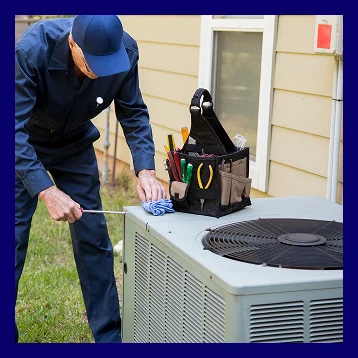
When your Smyrna home feels warmer even though the AC is running, is it simply struggling with Tennessee heat, or is a repair issue developing? A system that runs longer, blows unevenly, or makes a new sound may be giving you an early warning. Knowing the symptoms helps you decide when air conditioner repair in Smyrna, TN is worth scheduling.
1. The AC Runs, but the Air Feels Warm
Warm air from the vents is one of the clearest signs that cooling performance has changed. Check that the thermostat is set to cooling, the setpoint is below room temperature, and the filter is not clogged.
If those basics look normal, the problem could involve airflow, the outdoor unit, refrigerant, or another component. Different faults can create the same complaint.
2. Airflow Is Weak or Uneven
A bedroom that barely gets air while another room feels comfortable can point to more than a blocked vent. A dirty filter can restrict airflow, while duct problems or blower issues may also contribute.
ENERGY STAR recommends checking HVAC filters monthly and changing them when dirty, with a minimum interval of every three months as general guidance. If a clean filter does not restore normal airflow, look beyond the filter.
3. The System Keeps Turning On and Off
Short cycling means the AC starts, runs briefly, shuts down, and repeats the pattern. Frequent starts can indicate a control, airflow, sizing, or mechanical issue.
Lowering the thermostat several degrees is not a real fix. Repeated cycling can leave rooms uncomfortable and add operating stress. A technician can check the thermostat, airflow, and controls.
4. Water Is Appearing Where It Shouldn’t
Air conditioning naturally produces condensate as moisture is removed from indoor air. That water should drain safely away from the system. A clogged condensate drain can cause water to collect where it should not.
ENERGY STAR includes condensate-drain inspection in routine HVAC maintenance and notes that a plugged drain can cause water damage and affect indoor humidity. Pooling water, staining, or repeated drainage problems should not be ignored.
5. The AC Makes New or Unusual Sounds
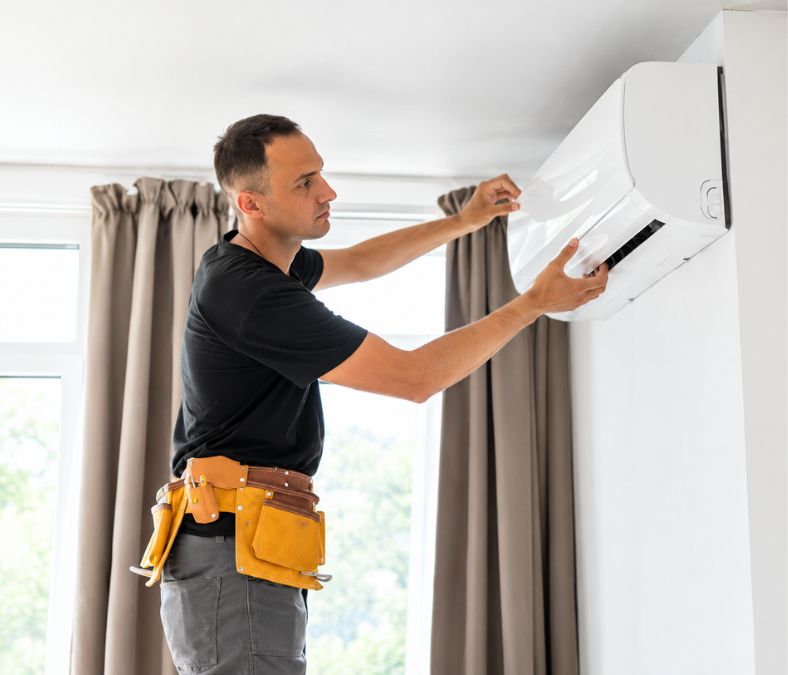
A new grinding, buzzing, rattling, squealing, or harsh mechanical sound deserves attention. Different noises can come from different components.
Turn the system off if the noise is severe, accompanied by a burning smell, or associated with visible electrical damage. These problems require professional attention rather than trial-and-error repairs.
6. The Outdoor Unit Looks or Acts Abnormally
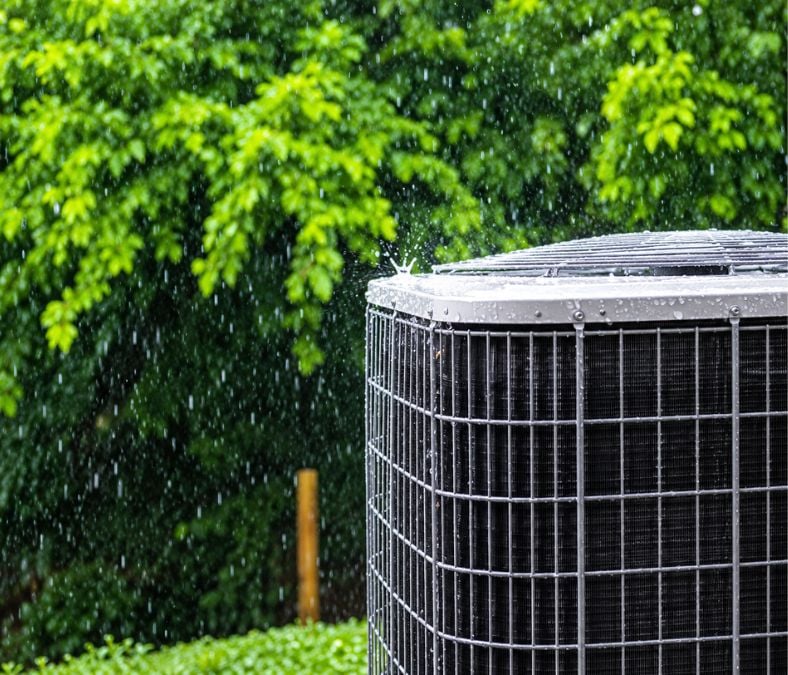
The outdoor condenser releases heat from the home. If it is not operating when cooling is called for, repeatedly shuts down, or shows obvious damage, indoor temperatures may rise.
Keep leaves, grass, and loose debris away from the unit, but avoid opening electrical panels or attempting refrigerant work. ENERGY STAR recommends professional checks of electrical connections, refrigerant levels, coils, and blower components.
When Should You Stop Troubleshooting?
A few homeowner checks are reasonable: confirm the thermostat mode, inspect the filter, make sure supply vents are open, and look for obvious water. Beyond those steps, use caution.
Professional service is appropriate for refrigerant, electrical, repeated shutdowns, persistent leaks, unusual noises, or problems that return after an adjustment. Refrigerant handling and electrical diagnosis are not good DIY experiments.
If a symptom is new, persistent, worsening, or affecting more than one part of the home, arrange an inspection rather than repeatedly resetting the system.
A Practical Symptom Guide
| Symptom | What It May Indicate | Recommended Response |
|---|---|---|
| Warm air | Airflow or cooling-system issue | Check thermostat/filter; schedule service if unresolved |
| Weak airflow | Dirty filter, duct, blower, or related issue | Replace dirty filter; seek diagnosis if airflow stays weak |
| Frequent cycling | Control, airflow, sizing, or mechanical issue | Schedule professional inspection |
| Water leak | Drainage or condensate problem | Request service if leaking continues |
| Loud new noise | Mechanical or electrical problem | Turn off if severe and arrange service |
A Professional Approach to AC Repair in Smyrna
Professional repair is not simply about replacing a part. Good troubleshooting starts with identifying the symptom, measuring system performance, inspecting relevant components, and connecting the evidence to the actual fault.
For local HVAC assistance, A/C Plus Heating and Cooling provides air conditioning repair service in Smyrna and surrounding areas. Review its service information before scheduling.
Explore the company’s Smyrna air conditioner repair service here: air conditioner repair Smyrna, TN.
How Do I Know if My Air Conditioning Needs Repair in Smyrna?
Look for changes rather than waiting for a complete breakdown. Warm air, weak airflow, unusual sounds, water where it should not be, frequent cycling, and an outdoor unit that behaves differently are reasons to investigate. If basic checks do not resolve the issue, professional diagnosis can prevent guesswork.
ENERGY STAR HVAC maintenance checklist also explains routine checks for filters, coils, drains, controls, and electrical connections.
Key Takeaways
- Strange sounds, weak airflow, warm air, water leaks, and repeated cycling can signal AC problems that need more than a thermostat adjustment.
- Some symptoms overlap, so diagnosis matters before replacing parts or assuming the system needs replacement.
- Electrical, refrigerant, drainage, and component issues should be handled by qualified HVAC professionals.
Frequently Asked Questions:
How often should I have my AC checked?
Annual professional maintenance can help identify airflow, drainage, electrical, and cooling issues before they become larger problems.
Why is my AC running but not cooling?
Warm air may result from restricted airflow, thermostat issues, refrigerant problems, or component faults. If basic checks do not help, schedule professional service.
Is water leaking from an AC normal?
Condensation is normal, but water pooling around the system can indicate a clogged drain or another issue that requires attention.
When should I call an AC technician?
Contact a professional when problems persist, return after basic troubleshooting, or involve electrical components, refrigerant, leaks, or unusual noises.