
 24/7Emergency Service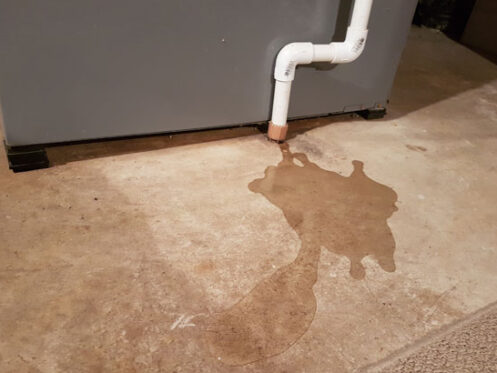
A cold home can leave you scrambling when your furnace acts up at the worst moment. Some hiccups simply need a quick check, while others demand expert attention to keep you warm during the cold weather.
At A/C Plus Heating & Cooling in Murfreesboro, TN, we’ve helped families stay cozy through chilly nights by helping them recognize common furnace issues.
Unresponsive Ignition and Pilot Light Problems
When your furnace hesitates to heat or the pilot light won’t stay lit, it can indicate an ignition or gas flow issue. You may hear repeated clicking as the ignition control attempts to spark, or see the pilot flame flicker.
If you have an older furnace with a standing pilot light, a weak thermocouple may fail to sense the flame and shut off the gas supply. In modern furnaces, ignition problems usually involve a dirty flame sensor or a cracked hot surface igniter.
When you call for help, a technician inspects the pilot light or hot surface igniter for soot, debris, or corrosion. They test the voltage to the ignition module and replace faulty igniters with new ones. After cleaning flame sensors with fine grit or compressed air and confirming gas flow, they restart the system through multiple cycles to ensure reliable ignition.
Weak or Uneven Heat Distribution
When some rooms stay warm while others feel chilly, your furnace may be delivering heat unevenly, or your ducts might need attention. If you have a zoned system, a technician measures supply and return vent temperatures in each zone, comparing the differences to the thermostat setting. If temperature splits vary more than 20 degrees, they inspect and adjust dampers or balance registers to direct airflow where it’s needed most.
If airflow is restricted, they may also check for dirty filters, blocked registers, or blower speed settings. While uneven heat itself isn’t caused by a cracked heat exchanger, technicians still inspect the exchanger for safety since cracks can leak combustion gases and reduce efficiency.
Strange Odors and Air Quality Clues
When your furnace kicks on and you catch a whiff of something strange, like a musty, burning, or chemical scent, take notice.
- A musty smell often points to mold or mildew growing in ductwork or on the evaporator coil (if your system includes central AC or a heat pump). A technician inspects the air handler, looking for water stains or microbial growth, then treats coils and drain pans with EPA-approved disinfectants.
- A burning odor at first use often means dust burning off the heat exchanger — this usually goes away after a short time. If it lingers, it may indicate overheating components or wiring problems.
- A chemical smell during startup may come from outgassing sealants or lubricants. If it persists, wiring may need rerouting away from heat sources.
In every case, addressing odors early protects both your furnace and your indoor air quality.
Unusual Noises: Rattles, Squeals, and Thumps
Squeaking, rattling, or loud bangs during ignition all signal mechanical or airflow issues.
- A screech could mean worn blower bearings or, in older belt-driven models, a slipping belt.
- A rattling metal cabinet is most often caused by loose access panels or blower components.
- A loud boom at start-up suggests delayed ignition, where unburned gas accumulates and ignites suddenly.
A technician inspects blower components, lubricates bearings, tightens panel fasteners, and checks ignition timing. If needed, they adjust the gas valve or replace faulty regulators to prevent ignition delay.
Persistent Blower Failures and Airflow Loss
When your furnace runs but no air emerges from the vents, the blower motor or its capacitor may be the culprit. A technician locates the blower compartment and tests the start and run capacitors with a capacitance meter, replacing any that fall below spec. They also check the motor’s amp draw under load against the nameplate rating.
A motor drawing excessive current often signals failing windings or obstructed bearings. After clearing debris from the blower wheel and lubricating shafts, they power up the motor briefly to confirm smooth rotation. If the motor still sputters, they replace it. Verifying airflow pressure across the return and supply confirms proper operation.
Thermostat Calibration and Control Board Hiccups
When the furnace ignores your thermostat or seems out of sync with your comfort settings, the problem often lies in the controls. A technician compares thermostat readings with a handheld thermometer and checks wiring connections for corrosion or looseness.
If the thermostat itself is inaccurate, swapping in a newer digital model usually solves the issue. If wiring checks out but the furnace still won’t cooperate, the technician moves to the control board.
They read the diagnostic flashing light codes, which point to issues such as clogged pressure switches, tripped rollout sensors, or stuck blower relays. By repairing or replacing components, then retesting the system, they confirm correct sequencing of the fan, ignition, and burners.
Flue and Venting Malfunctions
When exhaust gases fail to vent properly, your furnace may shut down in a safety lockout to prevent back-drafting. A technician inspects vent pipes for holes, sagging joints, or blockages. They perform a draft test by holding a smoke stick near the draft hood while the furnace runs, confirming upward airflow.
In PVC-vented systems, they check the slope to ensure condensation drains back into the furnace rather than pooling. After resealing vent joints with high-temperature sealant and adding support straps to maintain pitch, they confirm safe venting outdoors.
When to Call the Experts
You can check filters, thermostat settings, or listen for obvious noises, but many furnace issues hide beneath the surface. If your system trips high-limit switches repeatedly or shows error codes you can’t clear, a trained technician brings the right tools to dig deeper. They carry combustion analyzers for flue gas, digital manometers for pressure testing, and leak detectors for gas line integrity.
Troubleshooting minor furnace issues can save you time and discomfort, but professional maintenance keeps everything running safely and efficiently. We also offer furnace tune-ups, heat exchanger inspections, and thermostat upgrades to cover all your heating needs. If something feels off with your system, let A/C Plus Heating & Cooling handle the rest.
Call us today to get your furnace firing right again.

